Dear ISSHP Members,
It is an honor, a privilege, and a deeply humbling moment to address you for the first time as the newly elected President of the International Society for the Study of Hypertension in Pregnancy (ISSHP). I am profoundly grateful for your confidence and trust. To lead a society with such a distinguished history and such an extraordinary global membership is one of the greatest privileges.
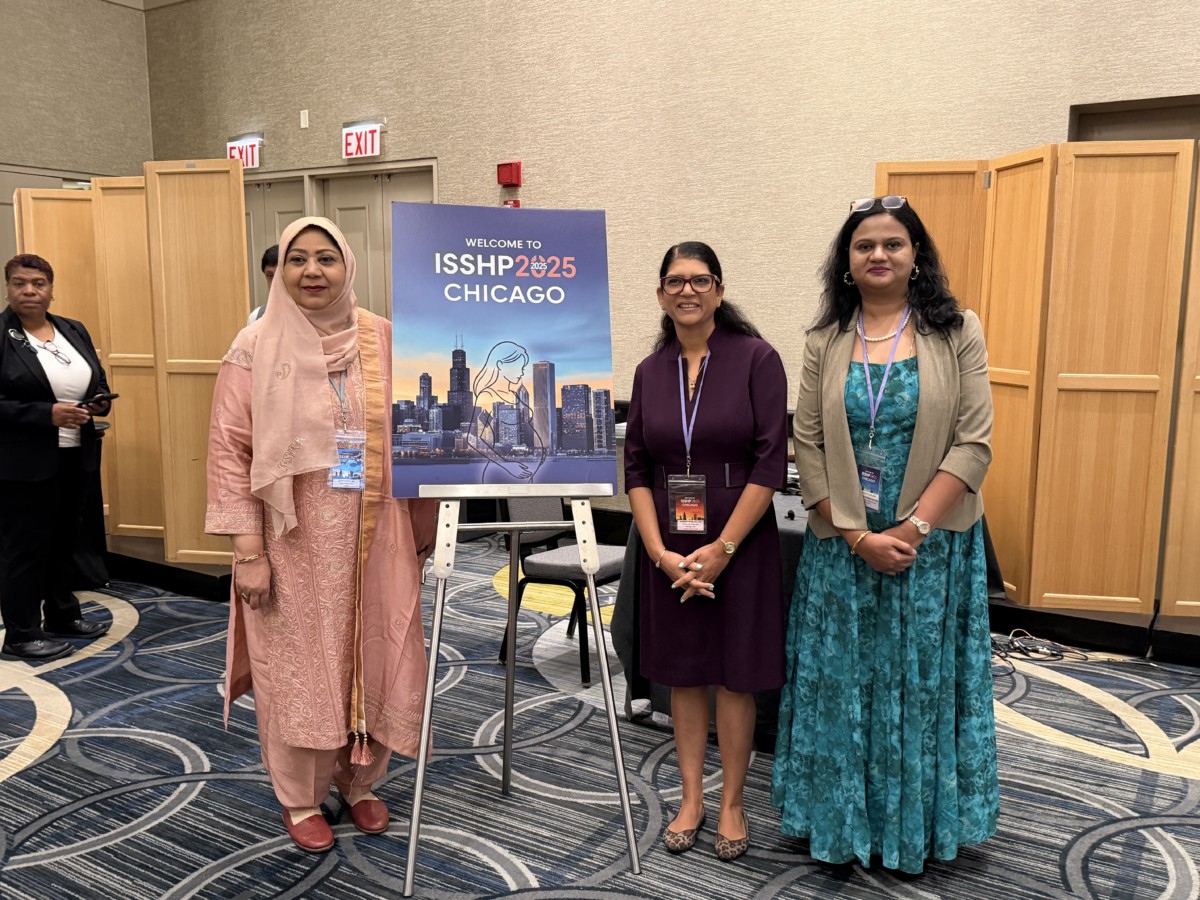
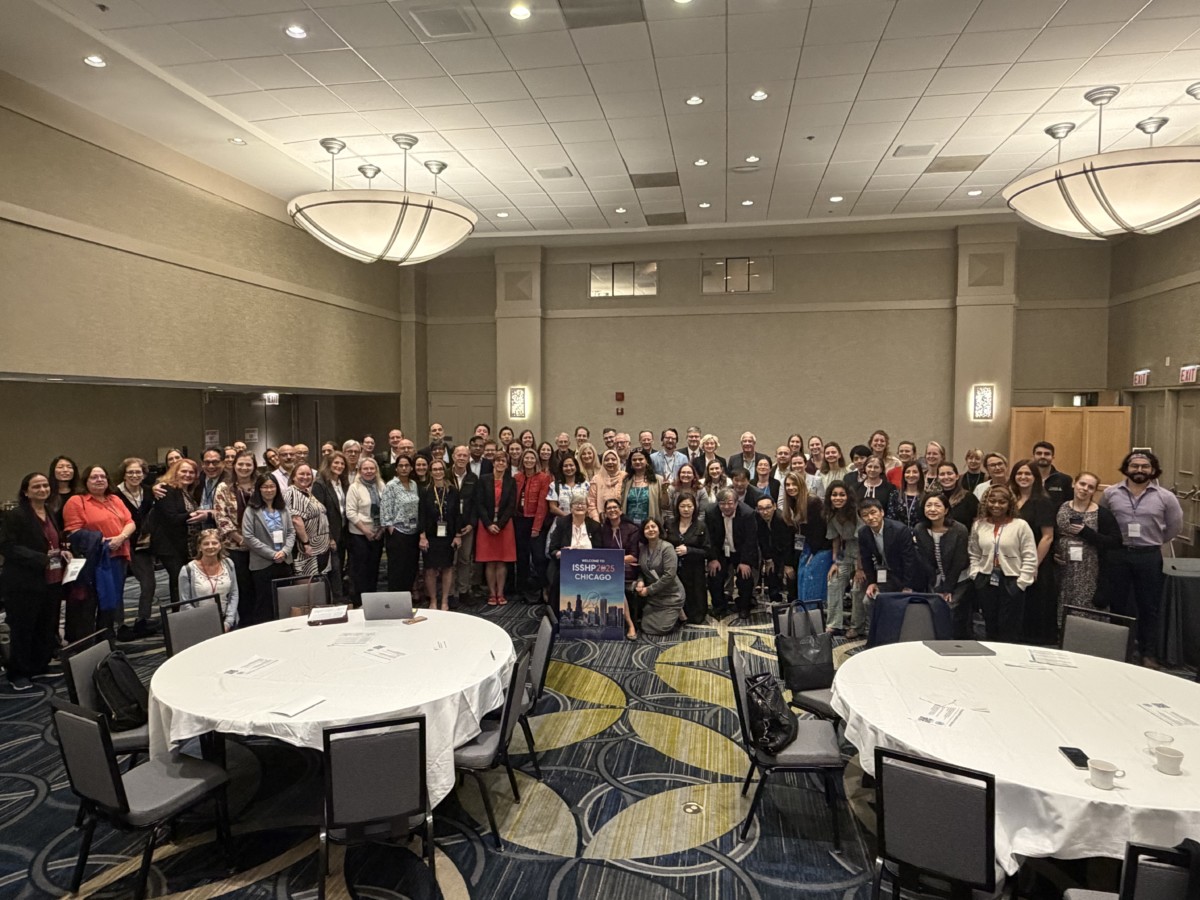
Our recent meeting in Chicago was a vivid reminder of what makes ISSHP exceptional. As we gathered in a city known for its innovation and resilience, we reflected on the long arc of our society’s evolution, from its founding meetings, filled with scientific curiosity and a desire to challenge prevailing assumptions, to the present day, where we stand at the forefront of maternal health research and advocacy. The Chicago program showcased the very best of our community: rigorous science, open dialogue, mentorship across generations, and the unmistakable energy that emerges when people come together with shared purpose.
From the beginning, ISSHP has been grounded in a simple but powerful set of beliefs: that science advances when collaboration is prioritized; that global disparities in maternal health must be met with global solutions; and that improving outcomes for women with hypertensive disorders of pregnancy is both a scientific challenge and a moral imperative. These founding principles continue to guide us, even as the landscape of maternal health becomes increasingly complex and interconnected.
Today, our society brings together clinicians, scientists, public health leaders, trainees, and advocates from every region of the world. This diversity is our strength. The challenges we face, from rising rates of preeclampsia to inequities in maternal care, demand insights from every discipline and every corner of the globe. Within ISSHP, I have witnessed firsthand the generosity with which our members share knowledge, mentor colleagues, and collaborate across institutions and countries. It is this spirit of shared responsibility and mutual support that will propel us into our next chapter.
As we look toward the future, my vision for ISSHP is centered on three pillars:
- Strengthening global collaboration and accessibility.
We will continue expanding our networks in regions where maternal morbidity remains unacceptably high, ensuring that ISSHP’s science, guidelines, and community are accessible to all who need them. Our society must remain a bridge, linking researchers, practitioners, and policymakers to achieve real, measurable improvements in maternal health outcomes. - Advancing innovation while supporting the next generation.
From biomarker discovery to implementation science, and from translational research to community-driven interventions, the questions before us require creativity and sustained mentorship. We will continue to create opportunities for emerging scholars and trainees, who represent the future of ISSHP and the future of maternal health research worldwide. - Deepening our commitment to equity and global health.
Hypertensive disorders of pregnancy disproportionately affect women in low-resource settings. Our scientific work must remain connected to the lived realities of the women and families we aim to serve. Together, we will continue to advocate for equitable access to maternal care, evidence-based practices, and strengthened health systems.
We will meet frequently, in person at our biannual congresses, through our working groups, and increasingly through virtual engagements that broaden participation. Each meeting, each collaboration, and each scientific exchange will help us refine our understanding, improve our practices, and bring us one step closer to a world where no woman dies from preventable pregnancy-related complications.
I am inspired by the road ahead and deeply committed to supporting our members through strong local leadership and meaningful community-building across regions and disciplines. ISSHP has always been more than a society; it is a connected global community where clinicians, researchers, and advocates learn from one another and lead change. By strengthening these networks and sharing knowledge across borders, we will continue to advance research and promote high-quality care for hypertensive disorders of pregnancy, grounded in collaboration, compassion, and a shared commitment to improving outcomes worldwide.
Thank you once again for this tremendous honor. I look forward to working alongside you as we shape the next chapter of ISSHP’s history.
With sincere gratitude and warm regards,
Sarosh Rana, MD, MPH
President
International Society for the Study of Hypertension in Pregnancy (ISSHP)